 EN
EN
 FR
FR
 JA
JA
 RU
RU
 ES
ES
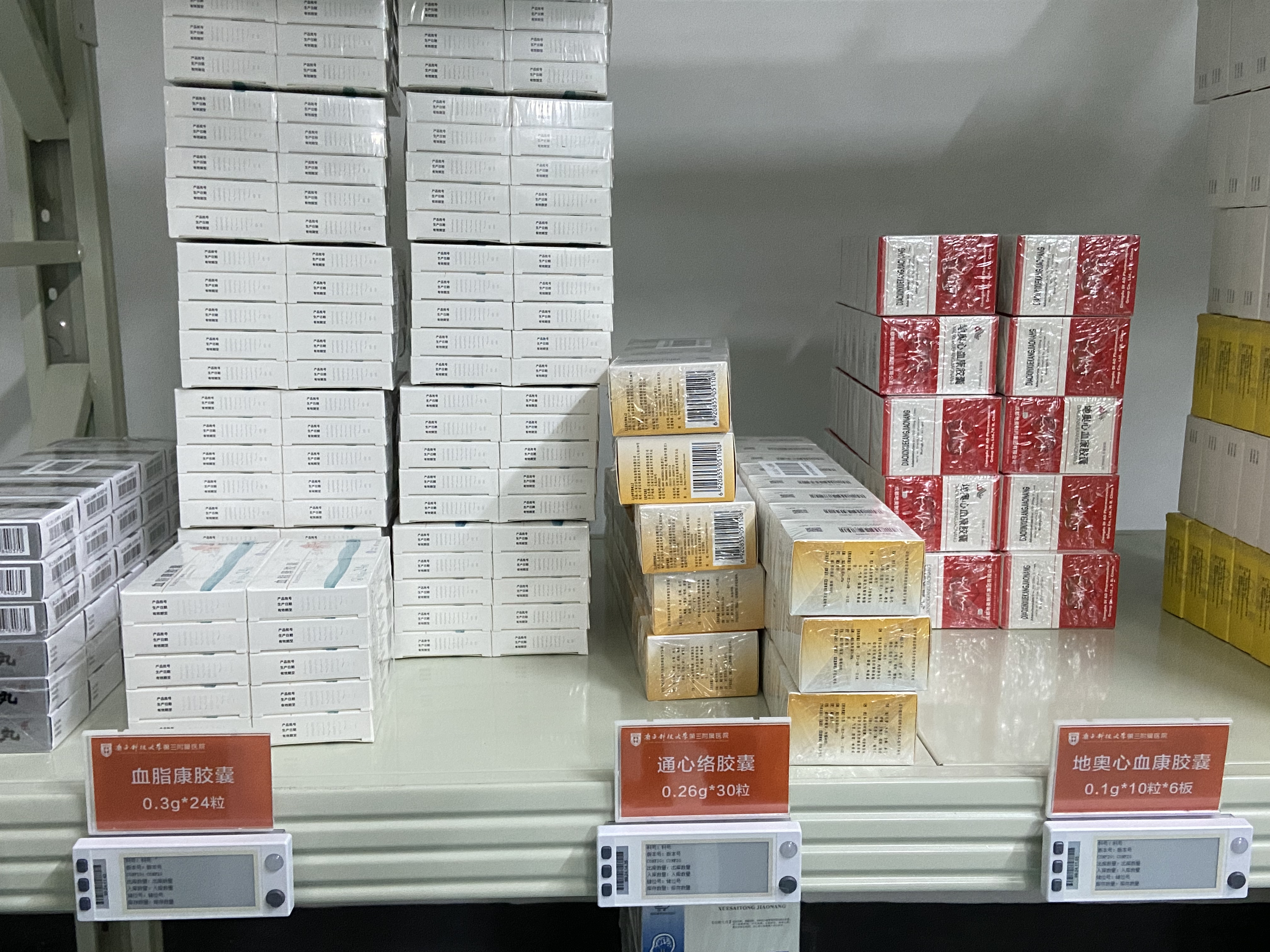
Every year, 6.5 medication errors occur per 100 hospital admissions. Globally, the cost of medication-related harm reaches 42 billion annually
While much attention goes to electronic prescribing systems and barcode scanning at the bedside, one critical link in the medication chain remains stubbornly analog: the pharmacy shelf label.
Paper labels. Handwritten expiry dates. Manual stock counts. These low-tech processes are responsible for a significant share of dispensing errors, stockouts, expired medications reaching patients, and inventory blind spots.
Electronic Shelf Labels (ESL) — the same E-ink technology transforming grocery retail — are now entering hospital pharmacies, bringing real-time accuracy to the point of medication storage and dispensing.
Five Ways ESL Reduces Medication Errors
1. Eliminates Label-Information Mismatch
When the hospital formulary updates — a drug substitution, a new supplier, a changed dosage recommendation — paper labels require manual replacement across potentially hundreds of shelf locations. A single missed label means a pharmacist may reach for the wrong medication.
With ESL, a formulary update in the HIS pushes to every affected shelf label simultaneously, within seconds. The label on the shelf always matches the system of record.
2. Real-Time Expiry Date Visibility — Not a Paper Calendar
Expired medications on pharmacy shelves are a persistent patient safety risk. Paper-based expiry tracking relies on staff manually checking and updating labels — a process prone to oversight.
ESL systems can automatically flag near-expiry stock with a visual alert (flashing icon, color change, bold warning text) on the label itself. When a medication passes its expiration date, the system can lock the label display to prevent dispensing.
Result: A European university hospital pilot reported a 67% reduction in expired medication incidents after deploying ESL on pharmacy shelves.
3. Look-Alike, Sound-Alike Error Prevention
Approximately 25% of medication errors involve LASA drug name confusion (ISMP). Two medications stored side by side with similar names and packaging are a dispensing accident waiting to happen.
ESL enables programmable visual differentiation:
- High-risk drugs receive distinct color-coded label backgrounds (e.g., red border for high-alert medications)
- Tall Man lettering enforced automatically
- Adjacent LASA pairs can trigger a visual divider or warning on both labels
4. Picking Verification at the Shelf
When integrated with the hospital's pharmacy management system, ESL can support pick-to-light workflows: when a pharmacist processes a dispensing order, the corresponding shelf label flashes an LED indicator, confirming the correct bin location before the medication is pulled.
5. Temperature-Controlled Medication Monitoring
Many high-value medications — vaccines, insulin, biologics — require refrigerated storage (2–8 °C). Paper labels cannot alert staff when a refrigerator door is left ajar or when temperature drifts outside the safe range.
At Picksmart,we can provide OEM/ODM for your hospital pharmacy deployments then to improve the efficiency.If you want to know more,please contact us freely.