 EN
EN
 FR
FR
 JA
JA
 RU
RU
 ES
ES

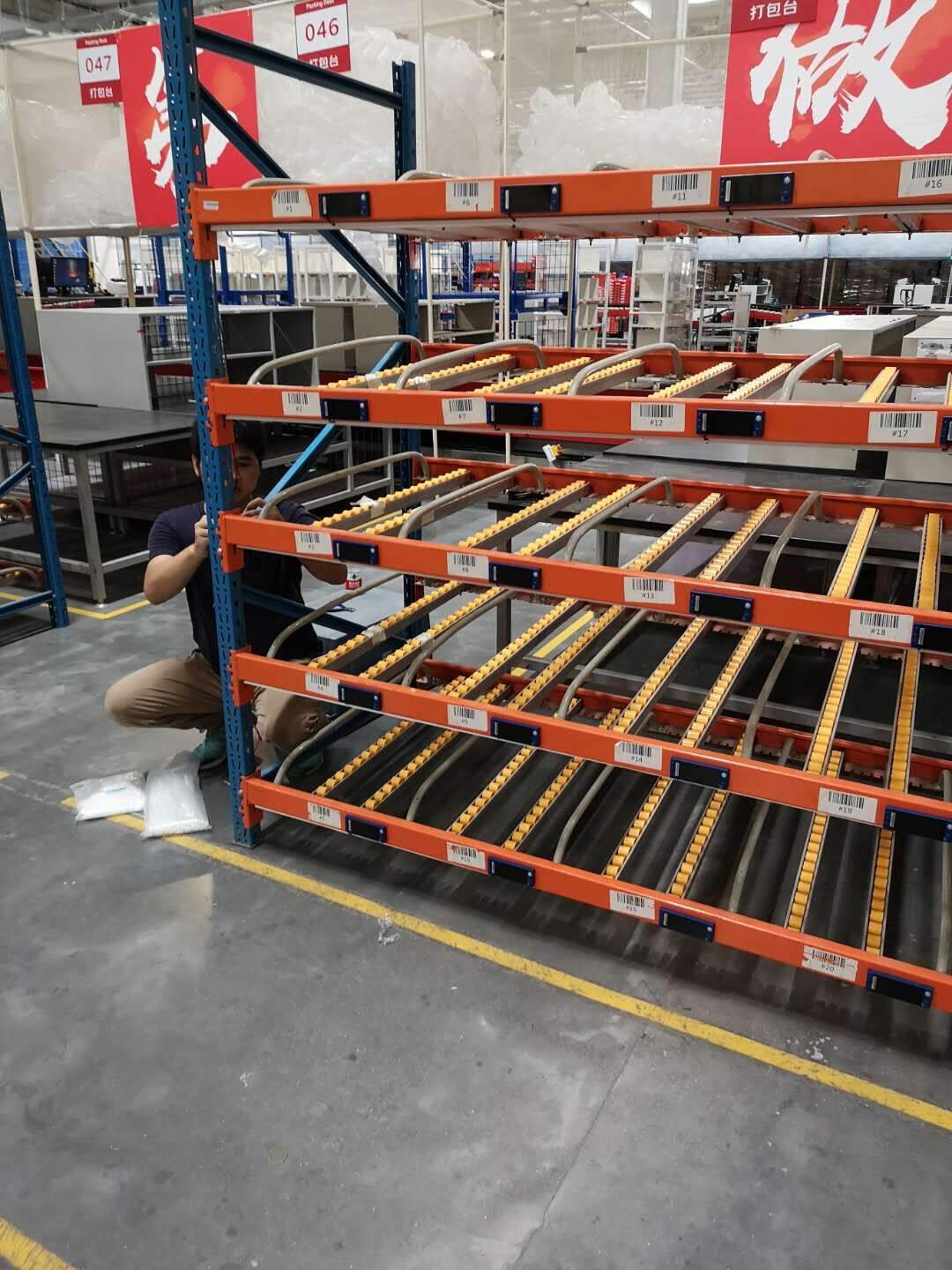
In warehouse operations, the speed and accuracy of the picking process directly impact overall logistics costs and customer experience. As warehouse management evolves towards intelligent and digital solutions, the Pick-to-Light (PTL) system has emerged as a vital tool for high-precision picking scenarios due to its intuitive and efficient operational approach. Through integrated hardware and software solutions coupled with process optimisation, it provides a systematic approach to achieving zero-error picking.
I. Fundamental Operating Principles of the System
The operational logic of the PTL Light-Guided Picking System is built around the core mechanism of "visual guidance + real-time feedback". Its hardware primarily comprises electronic tags installed on shelving, controllers, and a backend management system, while the software handles order parsing, path planning, and task scheduling.
1. Electronic Tag Guidance Mechanism
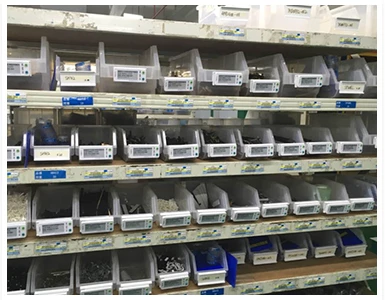
Each storage location is equipped with an independent electronic tag, typically featuring a digital display and multi-colour indicator lights. Upon receiving a picking task from the system, the target location's tag illuminates automatically, with the display clearly showing the quantity required. Different coloured lights distinguish product types, order priorities, or batch attributes. Operators thus need not rely on paper documents or frequently consult handheld devices, significantly reducing errors caused by visual switching.
2. Real-time Status Synchronisation
Upon completing each operation, pickers confirm via buttons or touchscreens, enabling the system to update inventory data and task statuses in real time. Should omissions or errors occur, the system immediately halts the process and triggers alerts, preventing discrepancies from propagating downstream. This closed-loop "action-feedback" design eliminates cumulative human oversight at the interaction level.
II. Key Technical Support for Achieving Precision Picking
Zero-error picking relies not only on hardware prompts but also requires a suite of technical measures to ensure reliable execution.
1. Multi-dimensional Information Verification Mechanism
When activating visual cues, the system concurrently validates product barcodes, batch numbers, or weight data. For instance, certain scenarios may integrate scanning devices requiring operators to scan product barcodes post-picking. This enables automatic comparison against pre-set system data, triggering immediate alerts upon discrepancies. Such redundant verification intercepts most errors at source, preventing issues stemming from inaccurate storage locations or product similarities.
2. Dynamic Error Tolerance and Path Optimisation Algorithms
The system automatically plans optimal picking routes based on warehouse layout and order structure, minimising operator walking distances and decision-making time. Simultaneously, when prolonged inactivity or repeated errors in a specific area are detected, it automatically triggers auxiliary prompts—such as altered light flashing frequencies or voice alerts—implementing foolproof design.
3. Deep Integration with Inventory Systems
PTL systems typically operate in real-time conjunction with WMS (Warehouse Management Systems). Every picking action directly triggers inventory data updates, ensuring perpetual consistency between system records and physical stock. This integration prevents over-picking or stockouts caused by information delays in traditional operations, safeguarding accuracy at the data level.
III. Optimisation of Process Design and Personnel Collaboration
The effective deployment of technology relies on scientific management processes and collaborative personnel models.
1. Standardised Operating Procedures
The system can enforce uniform operational sequences and confirmation actions. For instance, it may mandate a "check lights first, pick goods next, confirm last" workflow, logically preventing step skipping. Standardisation reduces uncertainty arising from individual habits, making error rates controllable and measurable.
2. Task Adaptation and Personnel Guidance
The system intelligently allocates tasks based on order complexity, product attributes (e.g., fragile or heavy items), and operator proficiency. For instance, new staff are prioritised for straightforward tasks in well-lit, easily accessible locations, with enhanced operational prompts during execution. This differentiated scheduling boosts overall efficiency while mitigating errors stemming from fatigue or unfamiliarity.
3. Real-time Dashboards and Data Tracking
Management dashboards display real-time picking progress, accuracy rates, and anomalies across zones. Visualised data enables managers to swiftly identify bottlenecks or high-error areas, facilitating timely on-site intervention or process adjustments to establish a continuous improvement cycle of "monitoring-analysis-optimisation".