 EN
EN
 FR
FR
 JA
JA
 RU
RU
 ES
ES
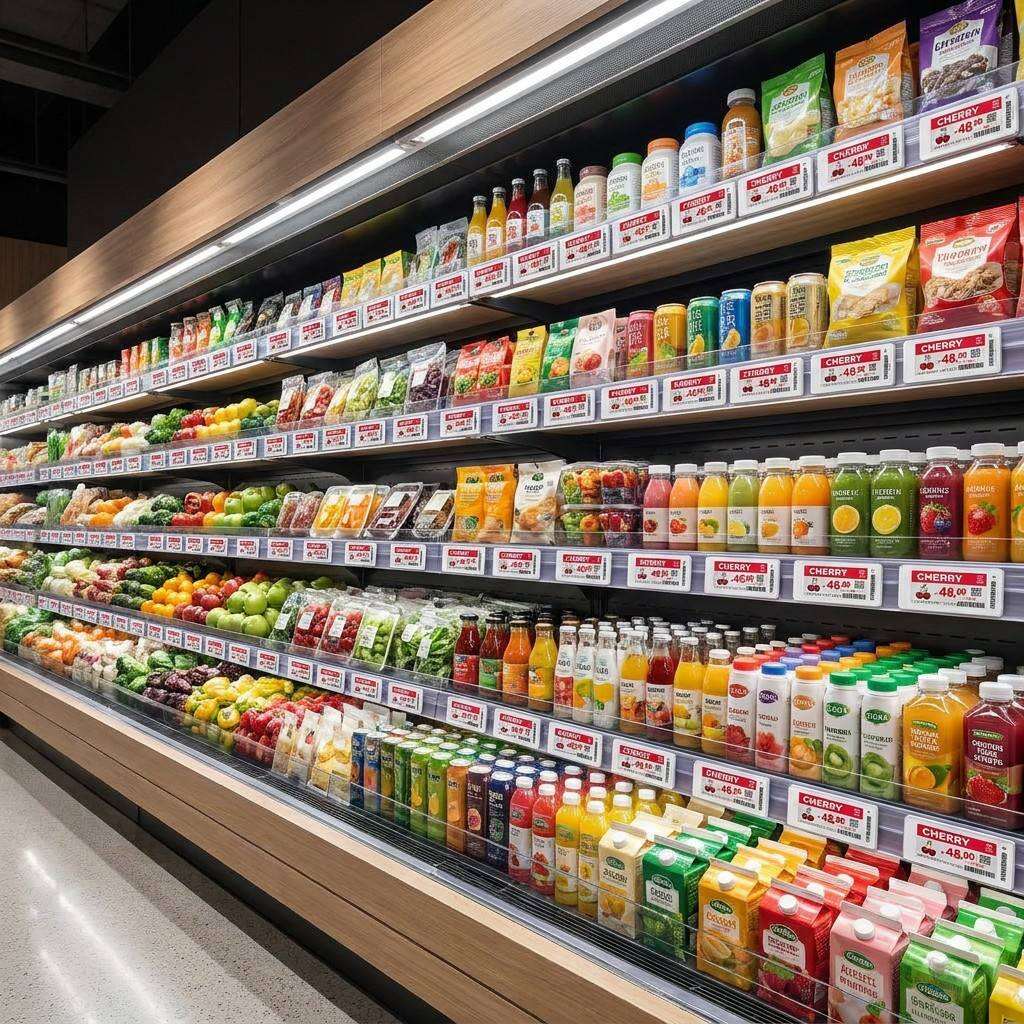
In today’s fast-paced retail and logistics environment, the benefits of Electronic Shelf Labels (ESL) are well-documented: automated pricing, error reduction, and enhanced customer experience. However, two persistent industry "pain points" often prevent businesses from full-scale adoption: the High Initial Cost (ROI) and the Complexity of System Integration.
In this deep-research case study, Picksmart examines how technological innovation is dismantling these barriers and why now is the time to transition to digital labeling.
The "High Cost" Perception vs. Long-term ROI
The primary hurdle for many B2B buyers is the upfront cost. When compared to pennies per paper tag, the capital expenditure for 5,000+ ESL tags and base stations can seem daunting. Traditional ROI models often fail because they only calculate "material savings" (paper and ink). To see the true value, businesses must look at Operational Overhead:
- Labor Waste: A single price update in a medium-sized store can take a clerk 15-20 hours of manual work.
- Price Mismatch Costs: Errors between shelf and checkout lead to customer distrust and potential legal fines.
- Dynamic Pricing Gains: Paper tags make flash sales impossible. ESL allows for real-time adjustments based on inventory levels or competitor pricing.
Seamless Integration with Legacy Systems (WMS/ERP)
A smart label is only useful if it reflects real-time data. Integrating a new ESL network with a 10-year-old Warehouse Management System (WMS) or a complex ERP can lead to synchronization errors and "ghost" data.
Warehouse Pick-to-Light (PTL) Efficiency A recent logistics client required their tags to support a hybrid model: acting as price displays during the day and Pick-to-Light (PTL) indicators for night-shift order fulfillment.
1.Direct Data Push: Sync inventory levels from the WMS directly to the tags.
2.LED Triggering: Program the tags to flash specific colors to guide pickers, reducing sorting errors by 98%.
3.Low Latency Updates: Ensure that when an item is scanned, the tag updates its stock count in milliseconds across the entire network.
Why Picksmart is the Right Partner for Solving These Challenges
When evaluating ESL providers, B2B decision-makers should look for these three pillars of success:
1. Communication Stability
Our multi-protocol support (Bluetooth, NFC, WiFi) ensures that your labels remain connected even in high-interference industrial environments.
2. Energy Efficiency
Picksmart tags are designed for longevity, with battery lives exceeding 5-10 years, drastically reducing maintenance costs.
3. End-to-End Integration Support
We don't just sell hardware. We provide the middleware and technical support necessary to ensure your ESL system talks to your existing software ecosystem from day one.
The "pain points" of the ESL industry are no longer roadblocks—they are opportunities for optimization. By choosing a partner like Picksmart that prioritizes integration and provides a clear ROI roadmap, you can transform your retail or warehouse space into a truly digital, efficient environment.
Ready to digitize your shelves?