 EN
EN
 FR
FR
 JA
JA
 RU
RU
 ES
ES


As smart transportation and connected vehicle technologies continue to evolve, traditional metal license plates are increasingly unable to meet the needs of modern fleet management, vehicle tracking, and digital governance. E-Ink Digital License Plates are emerging as an innovative solution, combining ultra-low power consumption, wireless connectivity, and real-time information updates into a single intelligent platform.
By leveraging electronic paper (E-Paper) display technology, digital license plates offer a flexible and sustainable alternative to conventional vehicle identification systems.
What Is an E-Ink Digital License Plate?
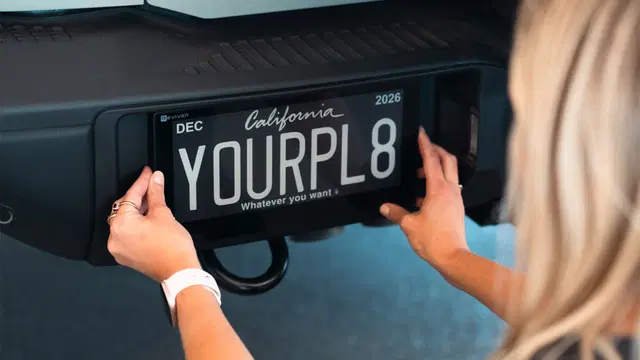
An E-Ink Digital License Plate is an electronic vehicle identification display that utilizes electronic paper technology to show registration numbers, QR codes, vehicle status, or other dynamic information.
Unlike traditional LCD or LED displays, E-Ink screens consume power only when the displayed content changes. Once updated, the image remains visible without continuous power consumption, making them ideal for long-term outdoor deployment.
Key components typically include:
- E-Ink display panel
- Wireless communication module (Bluetooth, Wi-Fi, LTE, NB-IoT)
- Rechargeable or long-life battery system
- Vehicle mounting frame
- Cloud-based management platform
Key Advantages of E-Ink License Plates
1. Ultra-Low Power Consumption
Electronic paper technology requires energy only during screen refreshes. This significantly extends battery life and reduces maintenance requirements.
Benefits include:
- Multi-year battery operation
- Reduced charging frequency
- Lower operational costs
2.Excellent Outdoor Visibility
E-Ink displays are designed to mimic the appearance of printed paper and remain highly readable under direct sunlight.
Advantages:
- No glare
- Wide viewing angle
- High contrast
- Readable in bright outdoor environments
This makes them particularly suitable for transportation and outdoor applications.
3. Enhanced Security Features
Digital license plates can incorporate multiple anti-counterfeiting technologies, including:
- Dynamic QR codes
- Encrypted identifiers
- Remote verification
- Tamper detection alerts
These features help reduce fraud and improve vehicle authentication.
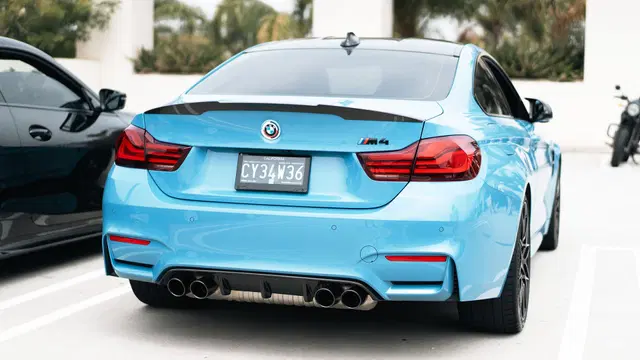
Applications of E-Ink Digital License Plates
Fleet Management
Logistics companies and fleet operators can remotely manage vehicle identification across hundreds or thousands of vehicles.
Applications include:vehicle status display,router assignment identification,maintenance notifications,asset tracking integration
Smart Parking Systems
Digital license plates can interact with parking infrastructure to automate:entry authorization,parking fee management,reserved space allocation,visitor registration
Car Rental Services
Rental operators can dynamically assign vehicles to customers while displaying:rental status,temporary registration information,return schedules
Government and Smart City Projects
Municipal authorities are increasingly exploring digital vehicle identification systems to support:smart traffic management,vehicle registration digitization,automated law enforcement,environmental monitoring programs.
E-Ink Digital License Plates combine the advantages of electronic paper technology with modern wireless communication capabilities, creating a highly efficient and flexible vehicle identification solution.
With benefits such as ultra-low power consumption, remote content updates, enhanced security, and excellent outdoor readability, digital license plates are well-positioned to support the next generation of smart transportation, fleet management, and connected mobility applications.
Organizations investing in smart vehicle infrastructure today can gain significant operational efficiencies while preparing for the future of intelligent transportation systems.