 EN
EN
 FR
FR
 JA
JA
 RU
RU
 ES
ES
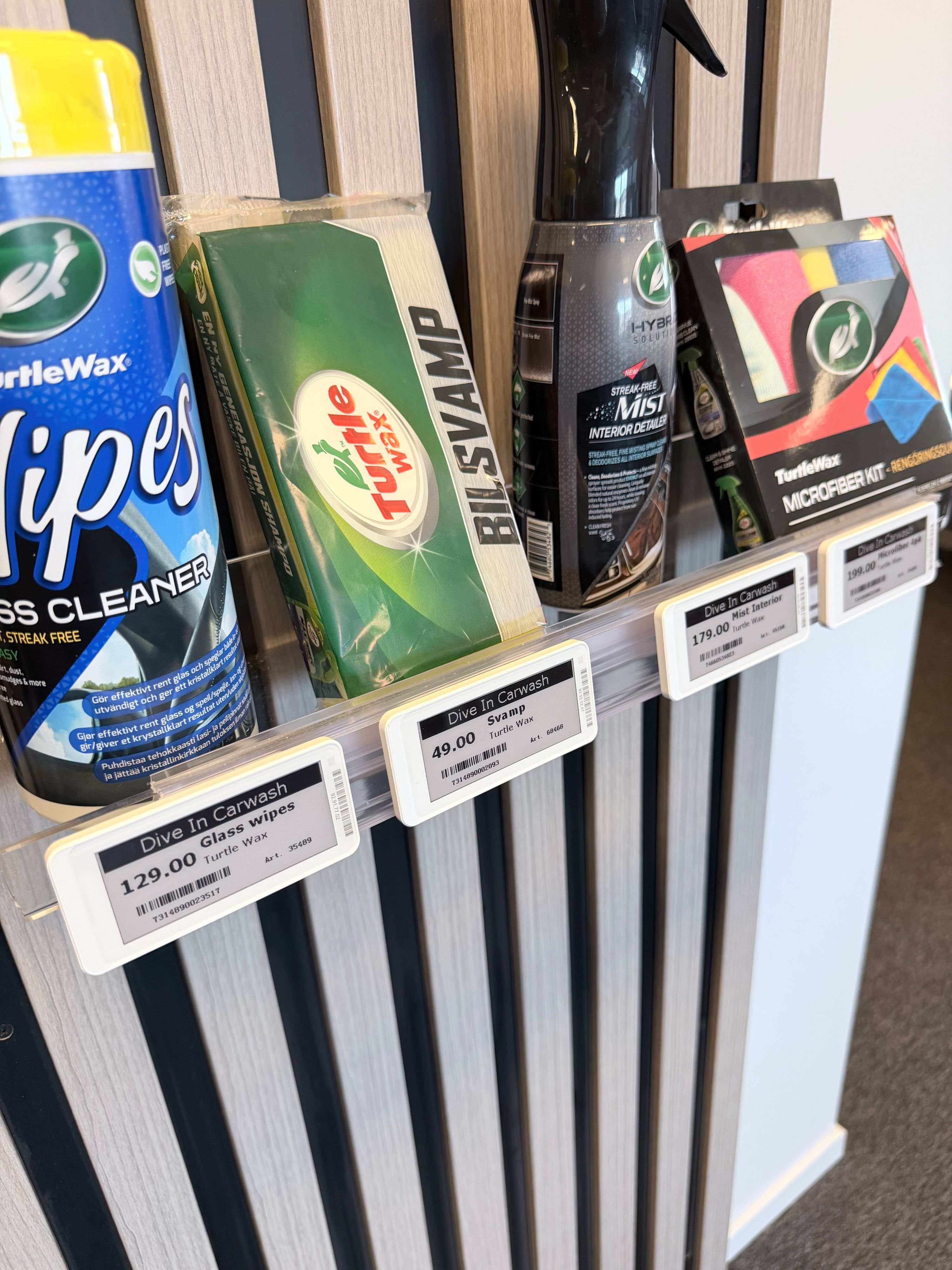
In today’s fast-paced retail environment, pricing accuracy, efficiency, and customer experience are more important than ever. Traditional paper labels can no longer keep up with dynamic pricing and real-time promotions.
That’s why more retailers are adopting electronic shelf label (ESL) systems—a smarter, faster, and more scalable solution for in-store communication.
In this guide, we’ll explain everything you need to know about electronic shelf labels, including how they work, their benefits, costs, and how to choose the right ESL system for your business.
What is an Electronic Shelf Label?
An electronic shelf label (ESL) is a digital display device used by retailers to show product pricing and information on shelves.
Unlike traditional paper tags, an ESL system allows retailers to:
☆Update prices remotely in real time
☆Synchronize pricing with POS/ERP systems
☆Reduce manual labor and errors
☆Improve store efficiency
Most electronic shelf labels use E-Ink (electronic ink) technology, which offers excellent visibility and ultra-low power consumption.
How Does an ESL System Work?
A typical electronic shelf label system consists of three main components:
1. ESL Display (Digital Price Tag)
Installed on shelves, showing:
- Price
- Promotions
- Product details
2. Communication Network
Depending on the system:
- RF / 2.4GHz
- Bluetooth
- NFC (for battery-free solutions)
3. Management Software
Central platform that connects to:
- POS systems
- ERP systems
- Pricing databases
This allows instant updates across all electronic shelf labels in the store.
Key Benefits of Electronic Shelf Labels
Real-Time Price Updates
With an electronic shelf label system, pricing changes can be applied across hundreds or thousands of labels instantly.
Improved Pricing Accuracy
Manual errors are eliminated, ensuring consistency between shelf price and checkout price.
Labor Cost Reduction
No more manual label replacement—saving time and operational costs.
Enhanced Customer Experience
Clear, dynamic displays improve readability and trust.
Enable Smart Retail & Automation
Electronic shelf labels are a key component of:smart retail stores,digital transformation strategies,IoT-based store management
The most common types of ESL tags currently available on the market include: 3- or 4-colour room-temperature tags, 2-colour low-temperature tags, Bluetooth tags, NFC tags and 2.4 GHz base station tags.
Applications of ESL Systems
? Supermarkets & retail chains
? Pharmacies
? Convenience stores
? Warehouses (pick-to-light systems)
? Smart tags (luggage, assets, etc.)
How to Choose the Right ESL System
When selecting an electronic shelf label solution, consider:
✔ Store size & number of SKUs
✔ Required update frequency
✔ Integration with POS/ERP
✔ Display type (color vs black/white)
✔ Battery vs battery-free (NFC)
The future of electronic shelf labels is evolving rapidly:
- 4-color and full-color ESL adoption
- Integration with AI pricing systems
- Smart store automation
- IoT-based retail ecosystems
ESL is no longer just a pricing tool—it’s becoming a retail marketing and data platform.