 EN
EN
 FR
FR
 JA
JA
 RU
RU
 ES
ES

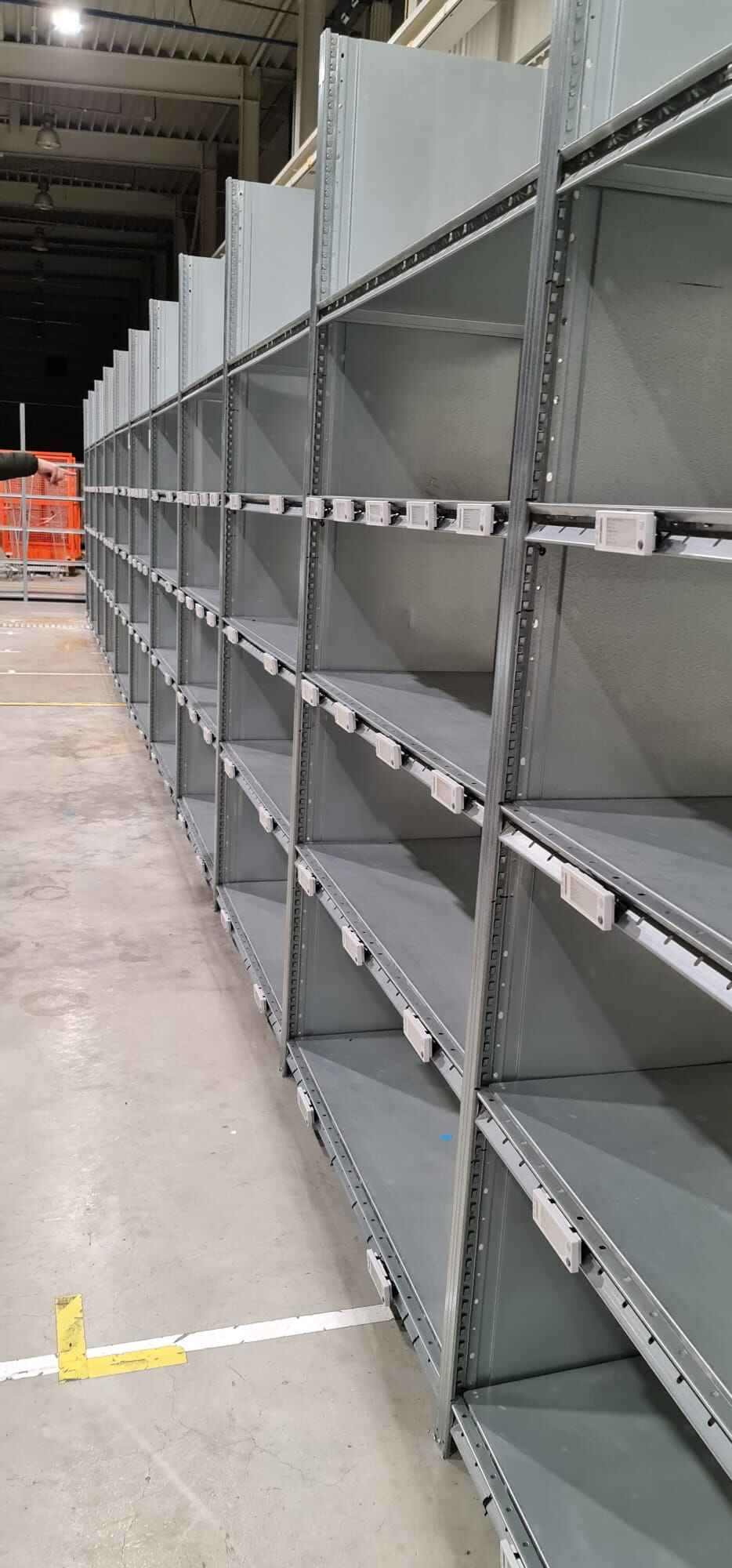
Introduction: Why PTL Matters in Modern E-commerce Logistics
With the rapid growth of e-commerce, logistics has become a critical competitive factor. Industry leaders like JD.com and Alibaba have heavily invested in advanced logistics systems to achieve faster fulfillment and higher accuracy.
Today, faster sorting and shorter delivery times are no longer optional—they define customer experience.
Among various warehouse operation models, the combination of RF Picking + PTL (Pick-to-Light) Sorting stands out as one of the most efficient and scalable solutions for large distribution centers.
What is the RF + PTL Picking Model?
The RF + PTL model integrates:
- RF (Radio Frequency) handheld terminals for picking operations
- PTL (Pick-to-Light) systems for fast and accurate sorting
This hybrid approach allows warehouses to handle high order volumes with minimal errors, making it ideal for large-scale e-commerce fulfillment centers.
Step-by-Step PTL Workflow Explained
1. Wave Planning (Batch Processing)
Customer orders are grouped into batches (waves) based on:
- Delivery routes
- Shipping schedules
- Carrier priorities
Each wave contains multiple orders, which are consolidated into master picking lists, then further divided by picking zones.
2. RF Picking Across Multiple Zones
Operators use RF handheld devices to pick items from different warehouse zones.
- Each picker handles multiple orders simultaneously
- Items are placed into totes (bins) on picking carts (typically 6–8 bins per cart)
- After picking in one zone, items are moved to a staging area
3. Order Consolidation (Merge Process)
Items picked from different zones are merged:
- One consolidation tote corresponds to one wave
- This tote contains items for multiple customer orders
- Once completed, it is transferred to the PTL sorting area (Re-bin Wall)
4. PTL Sorting (Re-bin Wall Operation)
This is the core of the system.
- Scan the tote barcode
- Scan each item
- The Pick-to-Light system lights up the correct bin
- Operators place items into the indicated location (each bin = one order)
This process dramatically reduces sorting time and human errors.
5. Document Printing
After sorting is completed:
- Shipping labels
- Invoices
- Packing lists
They are automatically printed and assigned to each order.
6. Packing
Each order is:
- Verified
- Packed into cartons or bags
- Labeled with the correct shipping information
7. Dispatch & Staging
Packed orders are moved to designated staging areas based on:
- Delivery routes
- Carriers
- Distribution centers
Key Equipment in PTL Systems
A typical PTL-enabled warehouse includes:
- RF handheld terminals
- Pick-to-Light (PTL) modules
- Re-bin wall (sorting racks with lights)
- Warehouse Management System (WMS)
- Random storage shelving system