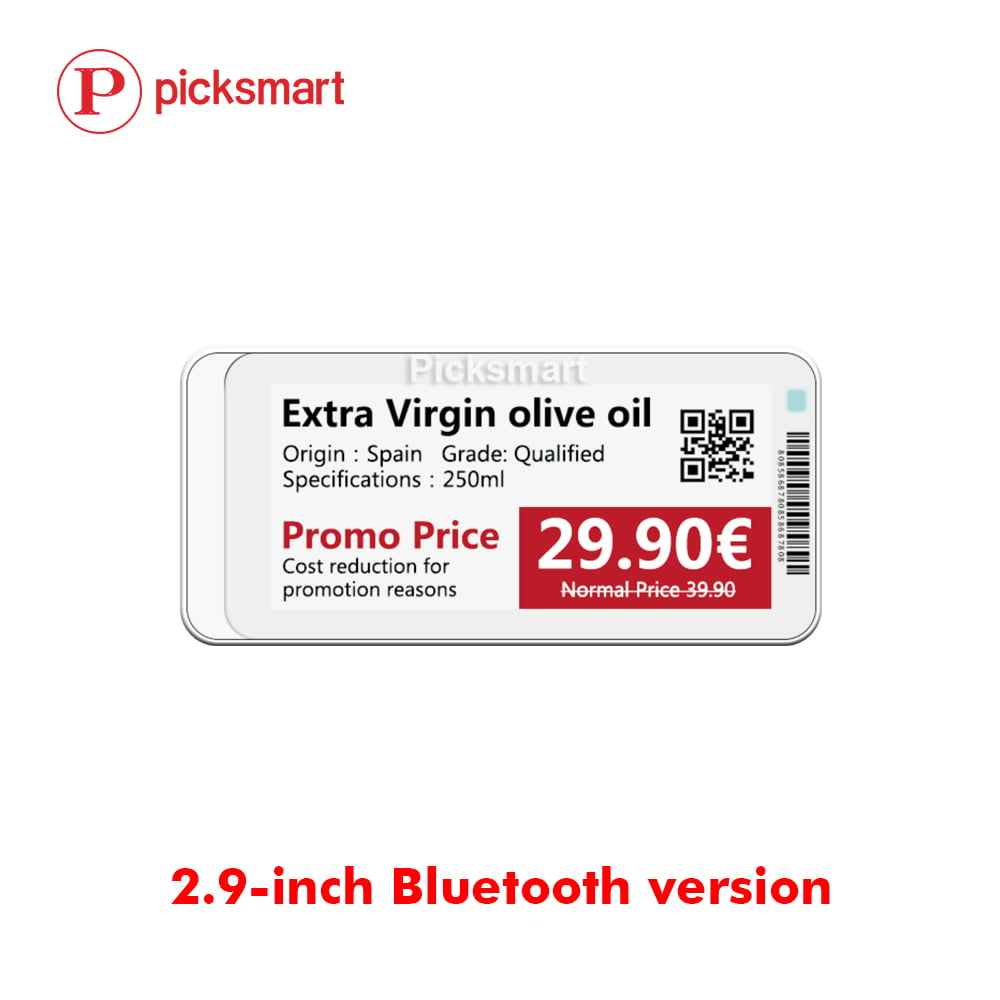
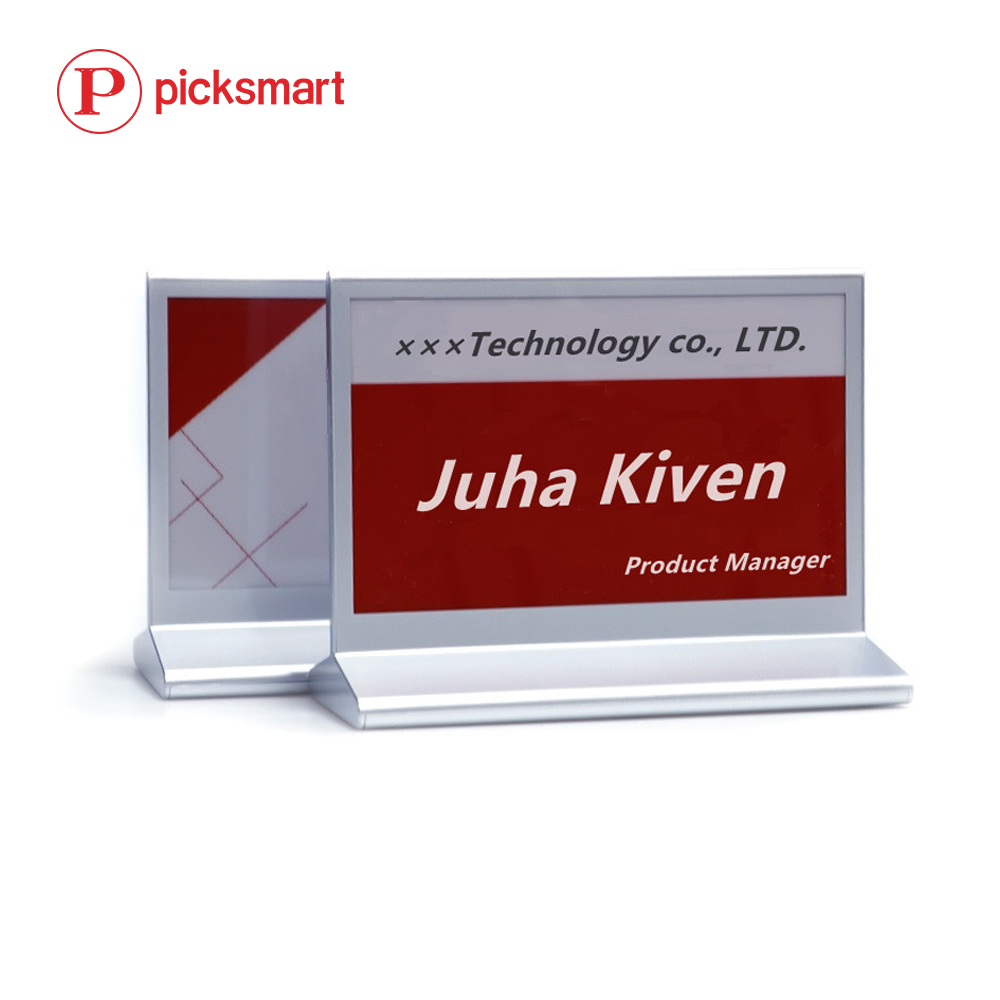
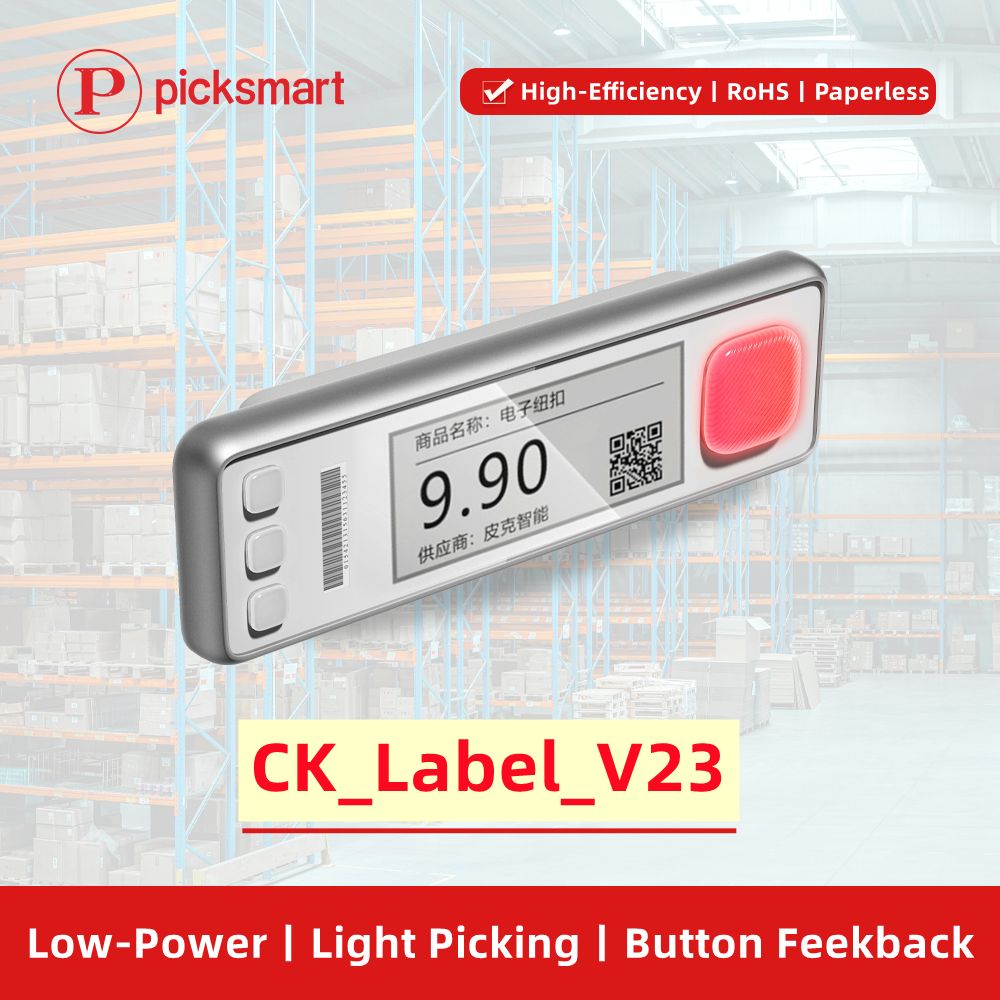
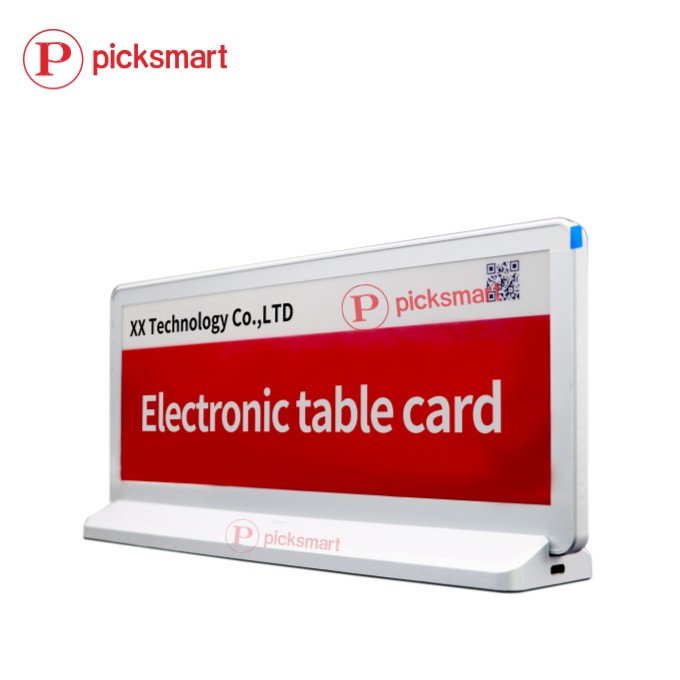
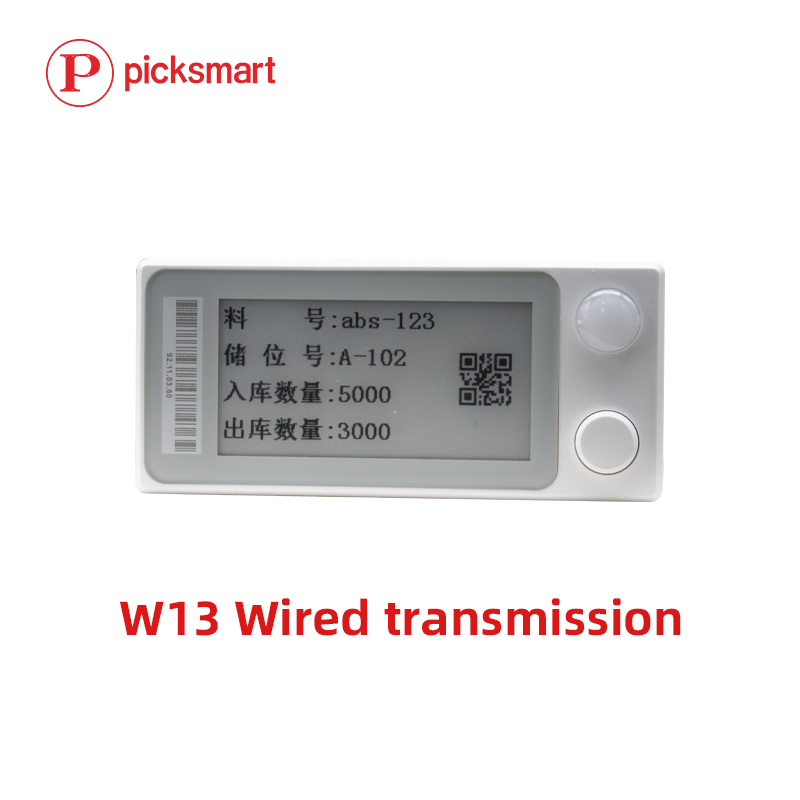
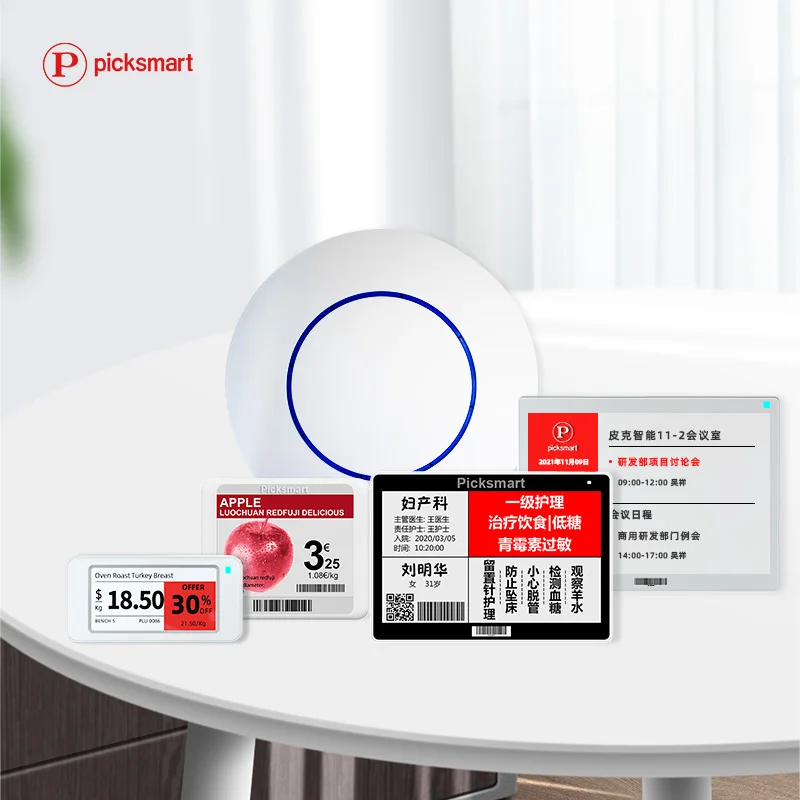
Electronic Shelf Labels (ESL) enable real-time updates of product pricing and promotional information, reducing the labor burden of updating price tags in retail stores while delivering significant carbon reduction benefits for the environment. Retailers in Europe, the United States, and Taiwan have already begun deploying ESLs in their stores and supermarkets.
E Ink Holdings, a leading electronic paper manufacturer, has partnered with Realtek Semiconductor, United Microelectronics Corporation, and Qimonda Technology to develop System on Panel (SoP) chips. Leveraging this technology, E Ink is collaborating with SOLUM, a major South Korean electronic paper label system manufacturer, to co-develop next-generation ESLs. This initiative delivers an environmentally friendly ESL solution requiring fewer materials, lower power consumption, and a simpler manufacturing process.
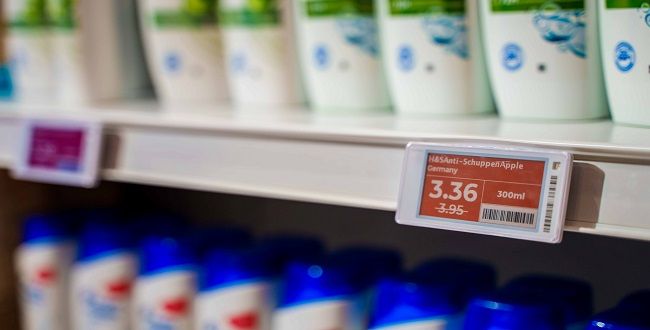
SoP technology embeds circuits onto the glass substrate or flexible substrate of an e-paper display, integrating ICs, panels, and systems simultaneously to directly create an e-paper display system.
The collaboration between E Ink and Realtek involves Realtek supplying low-power Bluetooth SoCs, while E Ink provides e-paper display expertise to embed ICs directly onto glass substrates. Meanwhile, the IC technology jointly developed with Polycrystal and Qimonda replaces traditional gold bumps with Qimonda's next-generation Conical Granule Au bumps in the packaging process. This significantly reduces gold material usage in IC packaging and testing, delivering reliable, stable, and cost-competitive IC products.
The release of new wireless standards will accelerate the market growth of ESLs. Major ESL system solution providers currently include France's SES, China's Hanshow, Sweden's Pricer, and South Korea's Solum. Over a dozen mainland Chinese companies—such as ZKONG Smart Control Network, Yunliwuli, Wolian Electronics, and Yaliang—are actively expanding their market share. Several domestic ESL module manufacturers have also announced plans to aggressively enter the electronic paper ESL market.
According to ePaperInsight, on February 9, 2023, the Bluetooth SIG—the industry association responsible for advancing Bluetooth technology—released a new wireless standard specifically for the Electronic Shelf Label (ESL) market. ESL industry leaders collaborated with the Bluetooth SIG to establish a scalable, ultra-low-power, and highly secure wireless standard for ESLs based on Bluetooth technology. This new standard delivers multiple benefits to the ESL ecosystem.
First, it lowers the entry barrier for R&D companies, enabling more solution providers to enter the market and driving continuous optimization and reduction in overall device costs.
Second, it reduces the multi-system integration costs for retailers, eliminating the previous predicament where a retailer could essentially only choose one supplier. Once suppliers complete the production of protocol-compliant products, they can achieve compatibility with multiple suppliers.
While the introduction of Bluetooth standard protocols benefits the ESL ecosystem, it also accelerates the homogenization of ESL devices. To avoid vendor lock-in caused by proprietary ecosystems, module manufacturers must accelerate differentiation efforts in other aspects of ESL modules—while enjoying reduced R&D complexity and costs—to maintain their bargaining power.
According to ePaperInsight data, driven by the dual-carbon strategy and Bluetooth protocol advancements, the ESL market will maintain its growth trajectory. The ESL ecosystem will witness new entrants and industry consolidation, with the ESL module market projected to reach approximately $3 billion by 2025.
SoP technology integrates ICs, panels, and systems, reducing manufacturing processes, materials, and product volume while further lowering energy consumption. By establishing systems directly on glass or flexible substrates without requiring additional printed circuit boards, it offers significant advantages. However, overcoming challenges such as chip lamination processes, reducing trace resistance values, and integrating antennas remains crucial. Additionally, pioneering attempts to place microcontrollers directly on glass substrates using anisotropic conductive film (ACF) processes are essential for successfully integrating wireless RF components with panels. (ACF) process, placing microcontrollers directly on glass substrates enables successful integration of wireless RF components with panels.
The integration of ICs, panels, and systems reduces manufacturing costs, enhancing product competitiveness. SOLUM is also investing in developing next-generation ESL solutions, aiming to introduce lighter, thinner, and more energy-efficient ESLs to the retail market as soon as possible.
"Electronic shelf labels replacing paper tags deliver greater efficiency and energy-saving operations for retailers," stated E Ink Holdings Chairman Lee Cheng-hao. He emphasized that E Ink continues advancing its e-paper technology R&D. This breakthrough in achieving SoP on e-paper panels drives ESL technology upgrades. The newly developed ESL solutions enable retailers to achieve more efficient store operations while contributing positively to environmental carbon reduction efforts.
Disclaimer: This article is reposted from another platform and does not represent the views and positions of our website. In case of infringement or objection, please contact us for deletion. Thank you!
 EN
EN
 FR
FR
 JA
JA
 RU
RU
 ES
ES