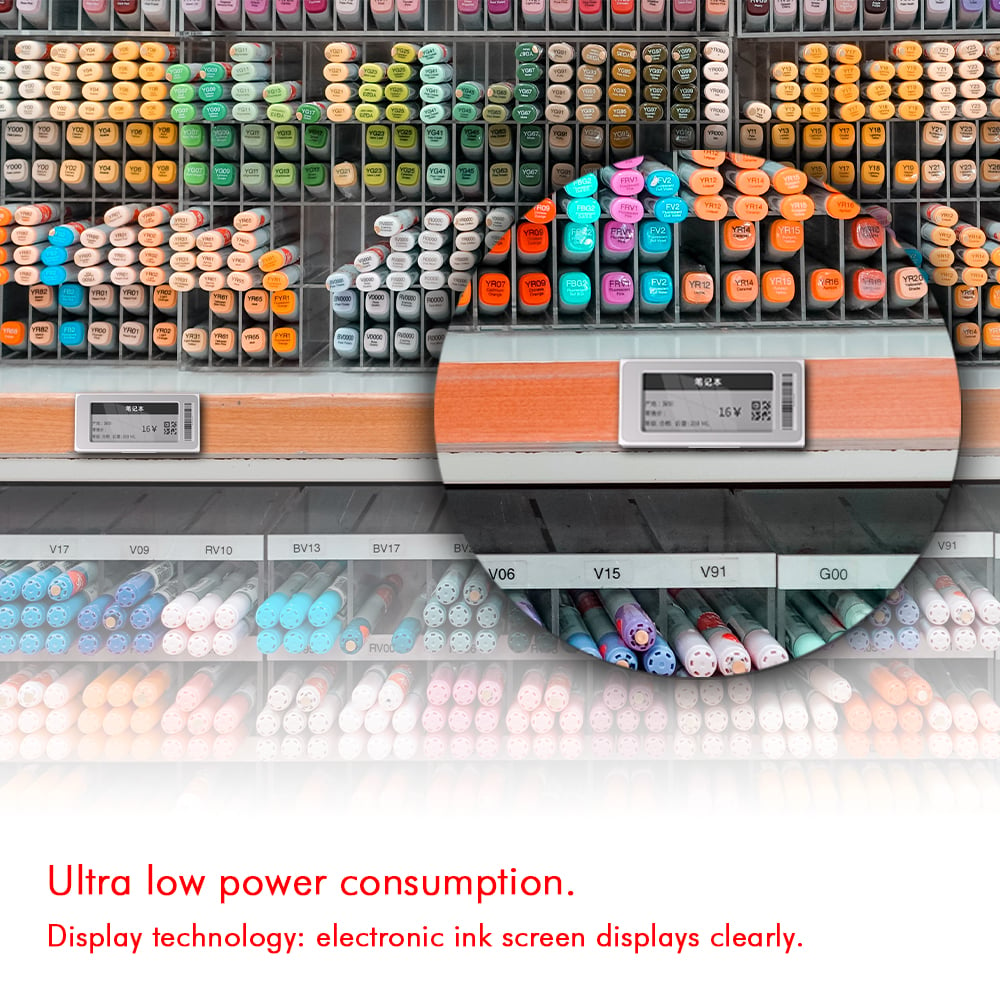
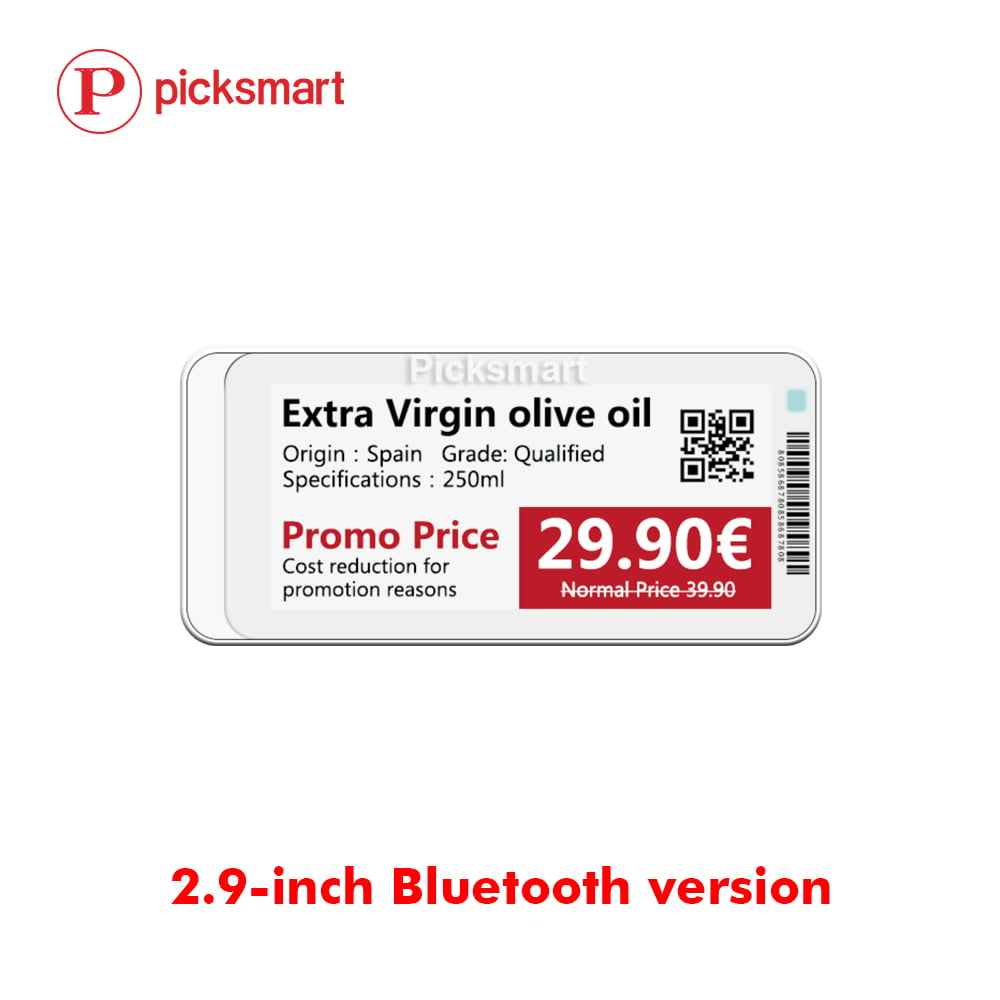
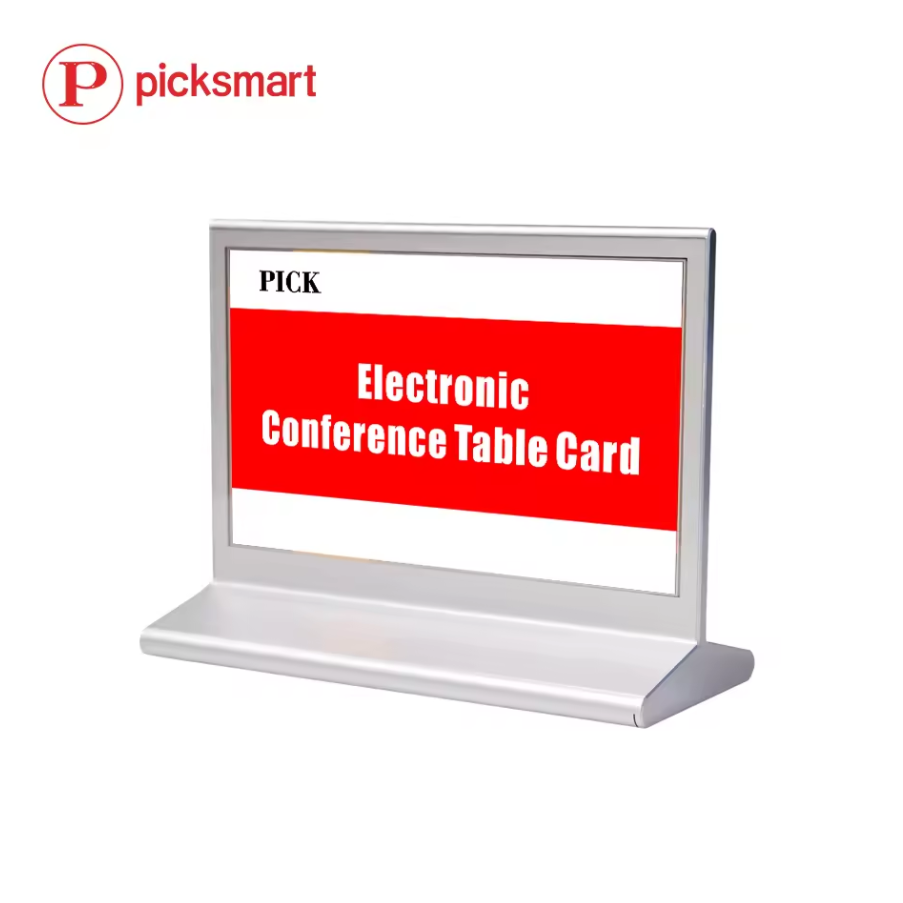
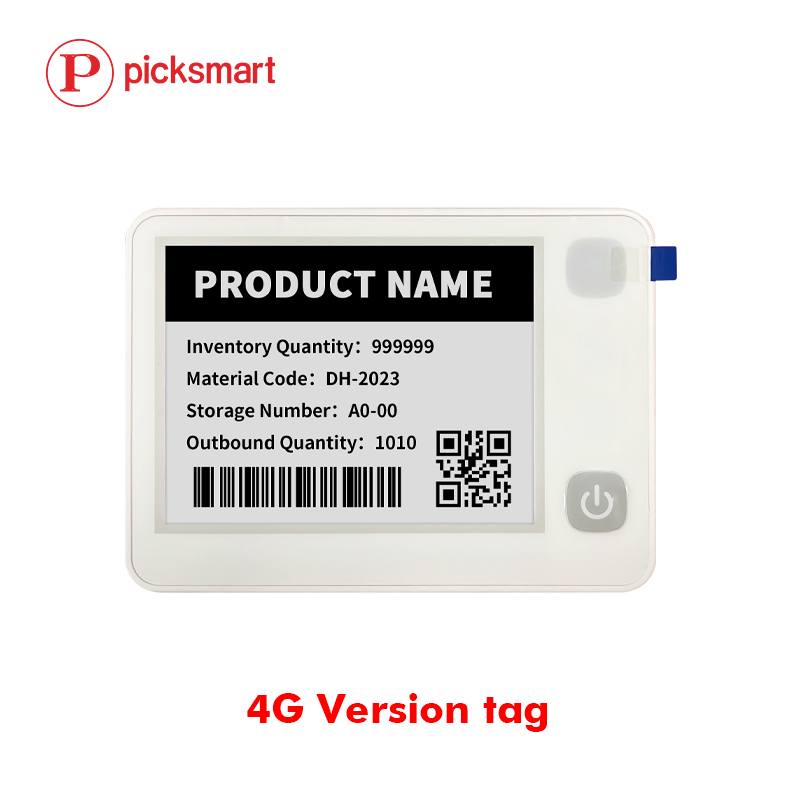
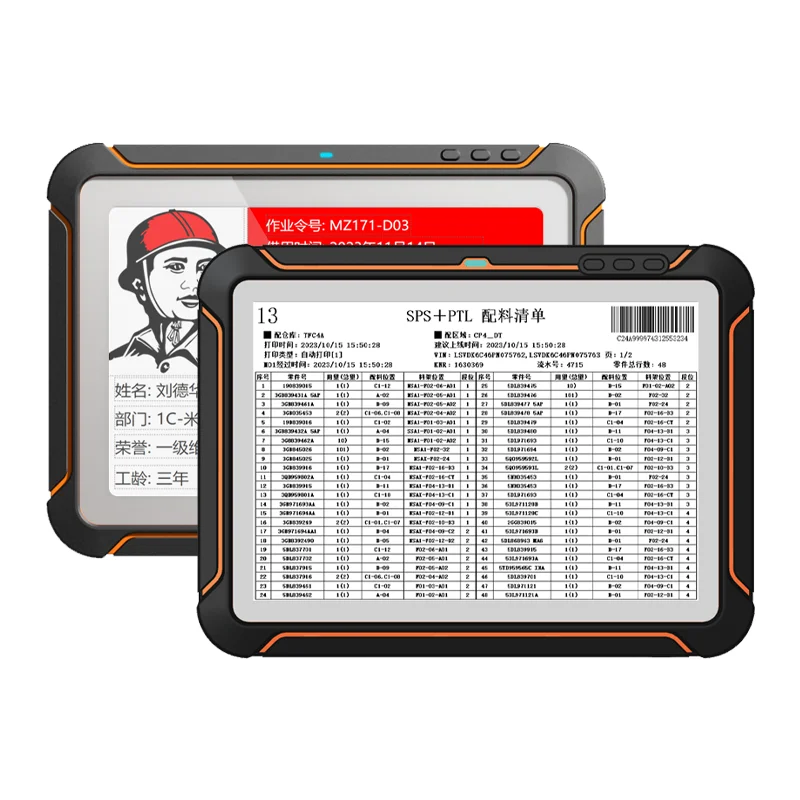
Recently,there is a report indicates that in the first half of 2025, shipments of ESL modules alone reached approximately 324 million units, representing an annual growth rate of about 244%.American retail giant Walmart has become a key driver in the ESL initiative.The e-paper display market is projected to grow from approximately $4.5 billion in 2024 to around $42.75 billion by 2032, representing a compound annual growth rate (CAGR) of approximately 32.5%.In the European market: The ESL market is valued at approximately $1.03 billion in 2025 and is projected to grow to $2.36 billion by 2030.ESL has rapidly transitioned from the pilot phase to mainstream deployment.The substantial increase in shipment volume indicates that manufacturing and supply chain operations are rapidly scaling up, marking a prime opportunity for electronic shelf label equipment manufacturers.As a key technology (low power consumption, reflective reading), e-paper is experiencing robust market growth, which is conducive to promoting e-paper-based label products.Europe, the United States, and the Asia-Pacific markets all hold significant growth potential, but this is accompanied by intensifying competition.
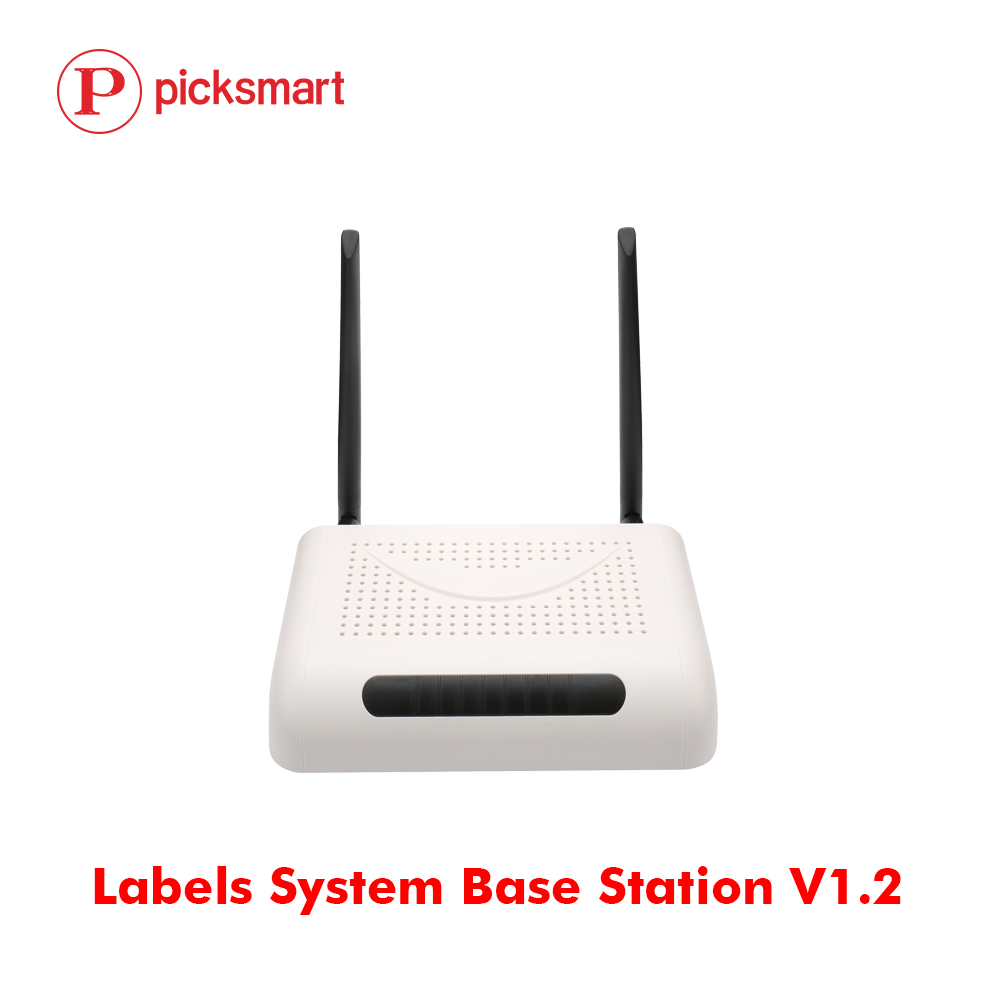
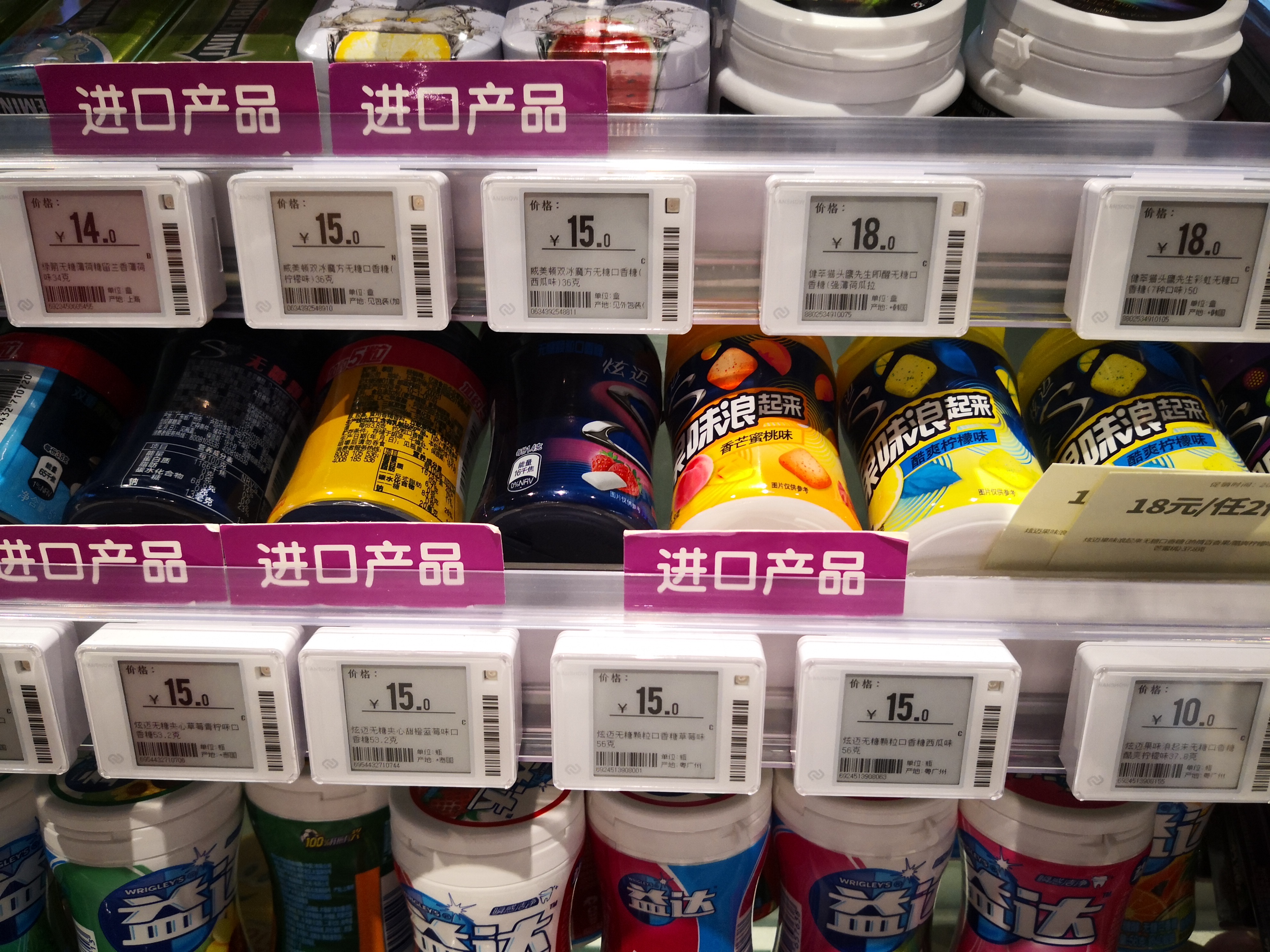
In the United States, select Albertsons Companies stores in Idaho are testing digital price tags.Kroger has begun installing electronic shelf labels in its Cincinnati-area stores, replacing traditional paper price tags.Some consumers have expressed concerns about issues such as small font sizes on labels and unclear promotional terms.The feature article highlights that the operational benefits of ESL include rapid price updates, flexible inventory promotions, and reduced labor and paper waste.Logistics + Supply Chain Perspective: ESL is quietly reshaping grocery retail's supply chain and pricing operations.These real-world examples demonstrate that U.S. retailers are accelerating their shift from paper to digital price tags. It's not just about "hardware"—customers also prioritize the "entire system" (price tags + communication + backend/pricing systems).
On the technical front, the report indicates that color e-paper and quad-color e-paper are accelerating their market penetration in ESL applications.ESL deployment remains hindered by high budgets and significant initial investments (single tags may cost several euros, while thousands to tens of thousands of devices per store are required).
Colorization and intelligence represent the future competitive edge of electronic shelf labels, while battery-free, low-maintenance designs mark a long-term trend.
 EN
EN
 FR
FR
 JA
JA
 RU
RU
 ES
ES