 EN
EN
 FR
FR
 JA
JA
 RU
RU
 ES
ES

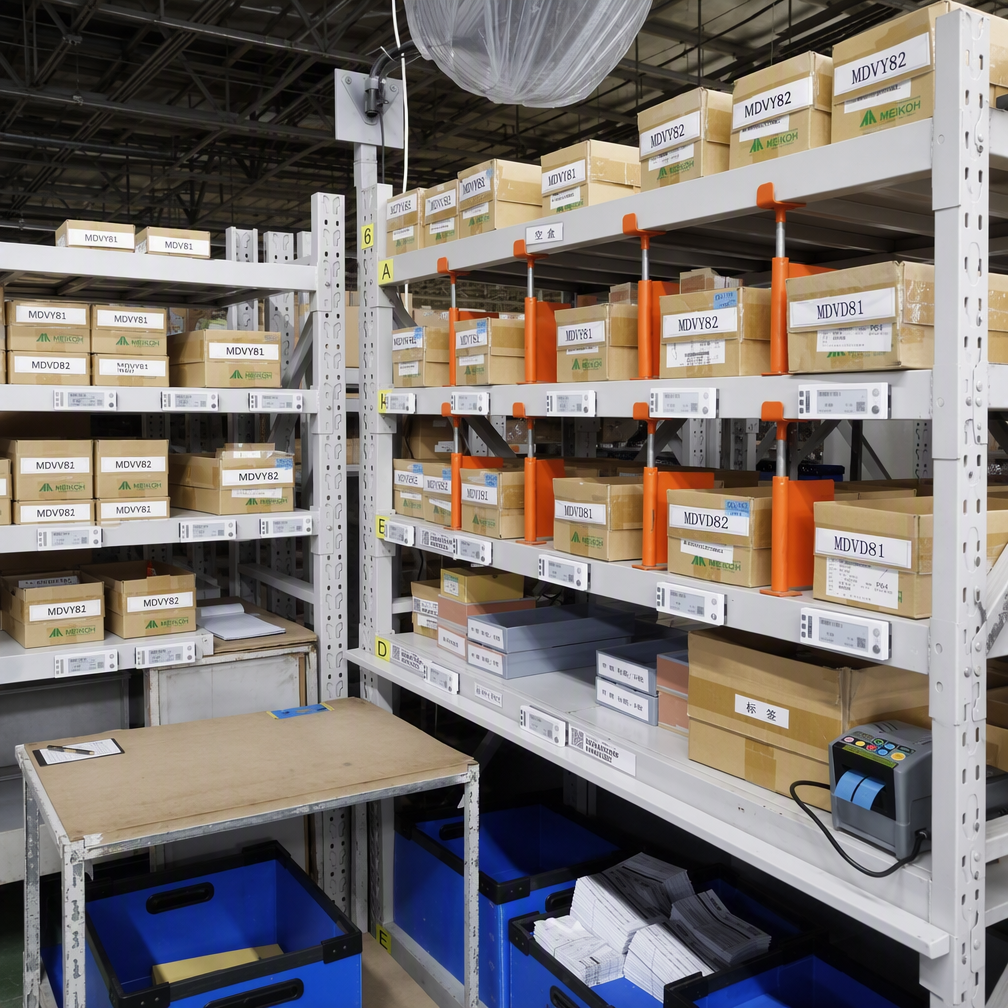
Warehouse automation is evolving beyond large, fixed installations. Today, businesses are looking for practical ways to improve picking efficiency, simplify installation, and connect warehouse operations with their existing software systems.
For warehouse operators, system integrators, and software developers, wireless Pick to Light (PTL) technology offers a flexible approach to visual picking guidance. Instead of relying entirely on traditional wired infrastructure, wireless PTL devices can be deployed across selected picking locations, storage bins, workstations, and mobile picking carts.
As warehouse layouts and operational requirements continue to change, the key question is no longer simply whether to introduce automation. It is how to build a picking solution that fits the existing workflow and can adapt to future requirements.
1. Why Are Warehouses Looking for More Flexible Picking Solutions?
Traditional warehouse operations often rely on paper picking lists, handheld scanners, or manually checking product locations. These methods can work well in many environments, but repetitive tasks and complex picking workflows may create additional challenges as order volumes grow.
Operators may need to search for products across multiple shelves, distinguish between similar items, or switch repeatedly between a picking list and the physical storage location. For warehouses with frequent layout changes, installing a fixed automation system can also require additional planning and infrastructure.
Recent warehouse technology discussions have highlighted the importance of wireless deployment, integration with warehouse management systems, and flexible automation architectures. These considerations are particularly relevant when businesses want to introduce automation without redesigning their entire warehouse.
A wireless Pick to Light system provides another option. By placing visual indicators directly at relevant picking locations, the system can help operators identify where to work and confirm completed actions through a defined workflow.
2. How Does a Wireless Pick to Light System Work?
A wireless PTL system typically consists of picking labels, one or more communication gateways, and software that coordinates picking tasks.
The exact architecture depends on the hardware and software selected for the project, but a typical workflow includes the following stages.
Step 1: Generate a picking task
A WMS, ERP system, or custom warehouse application generates a task containing information such as the product, storage location, and required quantity.
Step 2: Send instructions to the PTL system
The software transfers the relevant task information to the PTL controller or communication layer, which identifies the target label.
Step 3: Guide the operator
The corresponding PTL label activates its indicator. Depending on the device configuration, it may also display picking information or provide an audible signal.
Step 4: Confirm the picking action
After retrieving the required items, the operator presses the confirmation button or follows another configured confirmation procedure.
Step 5: Process the result
The PTL system communicates the confirmation to the host application when the integration supports this function, allowing the software to continue processing the order.
This workflow can help reduce unnecessary searching and provide clearer instructions at the point of operation.
3. Beyond Fixed Shelves: Three Applications for Wireless PTL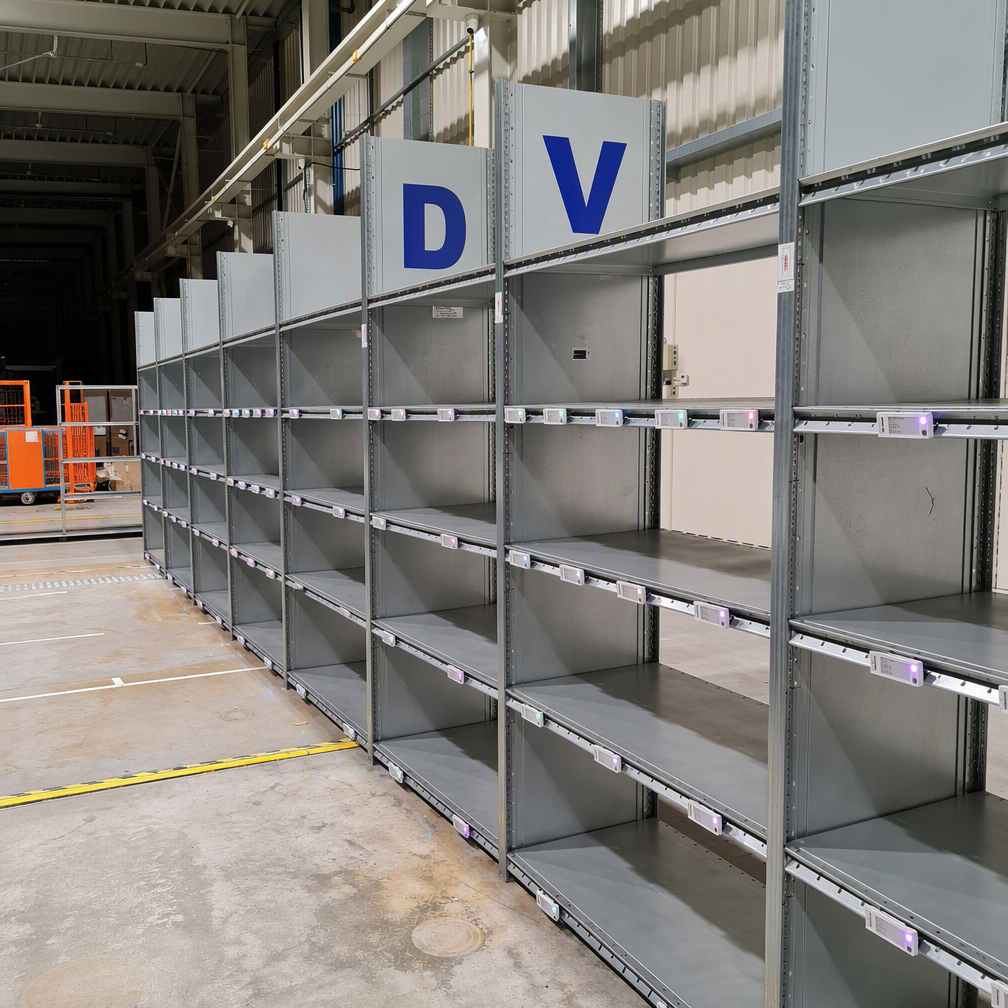
Wireless PTL technology is not limited to conventional shelf picking. With suitable hardware and software, it can support several warehouse and industrial workflows.
Pick-to-Cart: Bringing Picking Guidance to Mobile Workstations
In batch-picking operations, workers may collect products for several orders during a single warehouse trip. A mobile picking cart can contain multiple bins, each assigned to a particular order or destination.
PTL labels mounted on the cart can identify the relevant bin and guide the operator through the picking sequence. After the required item is placed into the correct bin, the operator can confirm the action using a button.
This approach can help make multi-order picking more structured and reduce confusion between similar orders.
For these applications, the mounting method, communication coverage, power supply, display requirements, and cart layout should be evaluated together.
Put-to-Light: Supporting Order Sorting and Consolidation
Put-to-Light applications guide operators to the correct destination rather than simply indicating where products should be retrieved.
For example, after items arrive at a sorting station, an indicator can identify the bin assigned to a particular order. The operator places the item in the designated location and confirms the action.
This approach can support order consolidation, parcel sorting, and fulfillment workflows involving multiple destinations.
The software must define the destination logic, while the PTL hardware provides the visual guidance and operator interaction required by the process.
Kitting and Line-Side Material Supply
Manufacturing operations frequently require specific components to be collected and delivered to assembly stations.
PTL devices can indicate which component is needed, where it is stored, or which workstation requires replenishment. Depending on the workflow, displays can present additional information, while buttons can be used to confirm picking or delivery.
For these applications, customized display layouts, button configurations, and mounting accessories may be useful when standard hardware does not fully match the production process.
PICKSMART provides Pick to Light hardware solutions for warehouse picking, order sorting, mobile picking carts, and industrial material handling applications.
Our PTL product range includes wireless picking labels, display-based devices, button-confirmation modules, communication gateways, and hardware options for different installation requirements.
We work with warehouse operators, system integrators, software providers, and OEM/ODM partners to evaluate project-specific needs.
Whether you are connecting PTL hardware to an existing WMS, developing a proprietary warehouse application, or designing a customized picking cart, the first step is to define the workflow and technical requirements.
A suitable PTL solution should fit the way your warehouse operates, rather than forcing your entire operation to adapt to a fixed hardware configuration.
Wireless Pick to Light technology offers a flexible approach to warehouse automation, supporting applications ranging from conventional shelf picking to mobile picking carts, order sorting, kitting, and material replenishment.
However, a successful implementation depends on more than wireless communication. Software integration, device functionality, installation requirements, operator workflows, and future scalability all need to be considered.
For businesses looking to develop a practical and adaptable picking solution, choosing the right hardware partner can make the process easier.